
When was the last time you took a road trip? One where you roll down the windows, let your brain wander, and actually look out the window instead of refreshing your mobile's inbox?
How a Strong Brand Identity Creates Loyal Customers: 5 Ways You Can Too
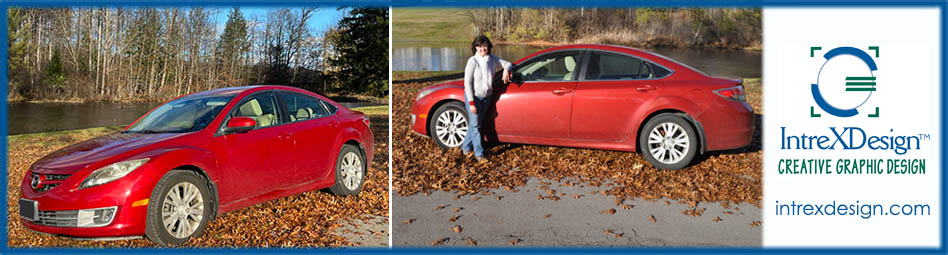
Some brands make every effort to engage and connect with their audience. The more personal the connection the more likely they’ll resonate with a customer. In November of 2024, I was reminded of this very lesson when I was told putting more money into my beloved Mazda wasn’t worth the expense anymore. Sadly, this news hit hard, given I wasn’t ready to let go. After years of loyal service, the time had come to say good-bye.
This emotional response got me thinking, “Why was I so attached to this car?” The answer lies in how Mazda crafted its message and connected with me as a consumer. In 2008, Mazda’s messaging capitalized on how their cars were the first to offer blind spot monitoring as a safety feature. Mazda knew that leveraging a snazzy sangria red color with a slick new aerodynamic design in their vehicles offered the feeling of driving a high-end sports car. This car wasn’t just a means of transportation for me; it embraced my style and capitalized on what I enjoyed driving. My vehicle held my memories, representing milestones, and embodied the freedom and enjoyment I had while driving my Mazda.
How Mazda Built Emotional Connections
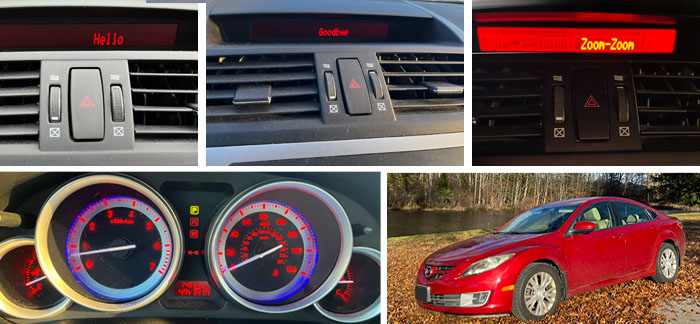
Mazda mastered the art of building a campaign around “emotional branding”. Its iconic “Zoom-Zoom” campaign, launched in 2000, was built around the idea of celebrating the joy of motion. This wasn’t just about their car’s speed or handling—it was about the thrill and connection people would feel behind the wheel. Mazda went a step further in 2009, adding personalized touches like “hello” and “goodbye” messages in their car interfaces, turning a piece of machinery into something that felt almost human-like—a companion on the road. These small yet meaningful details gave drivers like myself a sense of warmth and familiarity—making the bond between car and owner hard to break.
Hard to Say Good-Bye
As I part with my Mazda, I realize how much the brand contributed to the memories and emotions I had tied into my car. It wasn’t just a vehicle—it was a trusted partner in my journey. Mazda’s ability to create that connection with me is a testament to the power of thoughtful branding and customer-centric design. While saying goodbye isn’t easy, it’s a reminder of the profound impact a brand can have when it goes beyond selling a product and ultimately creating a connection that’s centered around the driving experience.
What Mazda Got Right And How You Can Do the Same
Mazda’s approach to emotional branding isn’t just reserved for major automakers with massive marketing budgets. Any business, regardless of size, can apply these same principles to build deeper, more lasting connections with their customers. Here are five practical ways to achieve the same results:
- Lead with emotion, not just features. Identify how your product or service makes your customer feel and build your messaging around that experience. People remember how you made them feel long after they’ve forgotten the price tag.
- Create signature brand moments. Think about the small, intentional touches that make your brand memorable—a personalized thank-you note, a consistent greeting, or a unique unboxing experience. These micro-moments build familiarity and warmth over time.
- Use storytelling in your marketing. Share real stories—from your own journey or your customers’ — that reflect your brand’s values and mission. Authentic narratives invite people in and give them something to connect with on a personal level.
- Design for your ideal customer’s identity. Consider what your audience values, aspires to, and how they see themselves. When your brand reflects their lifestyle and personality, your product becomes part of their story—not just a purchase.
- Stay consistent across every touchpoint. From your social media tone to your packaging to your customer service, consistency builds trust. The more familiar and reliable your brand feels, the stronger the emotional bond you create.
Connection Is Your Competitive Advantage
The most powerful brands don’t just sell products—they sell belonging, identity, and experience. Mazda didn’t simply market a car; they invited drivers into a feeling that stayed with them for years. When your brand leads with genuine connection and keeps the customer’s emotional experience at the center of every decision, loyalty follows naturally. The goal isn’t just to gain a customer—it’s to become a brand they’ll one day find hard to say goodbye to.
Related Posts



Comments (0)